

Ask an Arborist: When Is the Best Time to Prune Trees in the Columbia Valley and East Kootenays?
/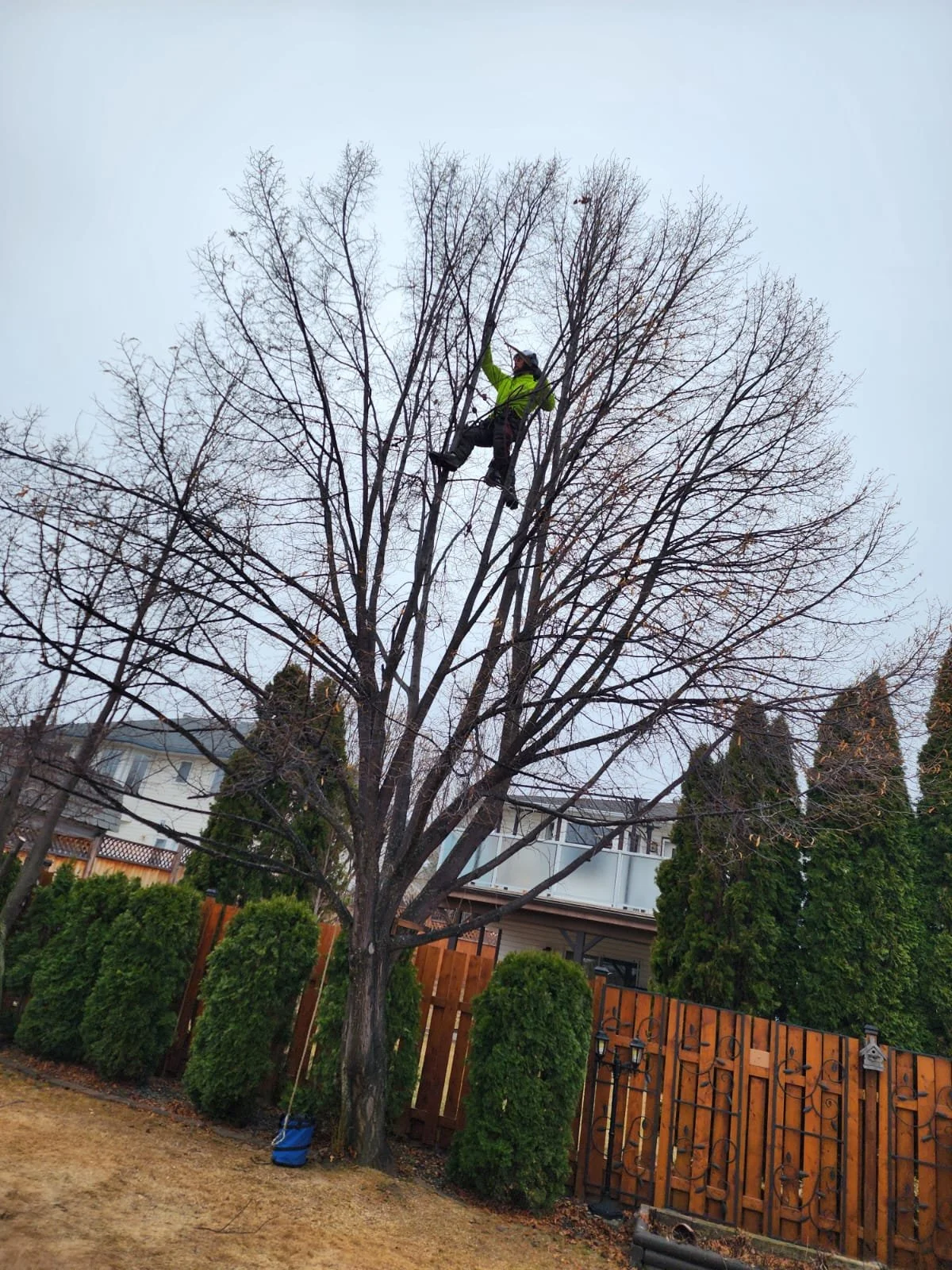
Tree Pruning in Golden bc
“When is the best time to prune my trees?”
It’s one of the questions our arborists hear most often across the Columbia Valley and East Kootenays. The honest answer is: it depends on the tree and what you are trying to accomplish.
For many trees in our region, the dormant season is an excellent time for structural pruning. But dead or hazardous branches should not necessarily be left until winter, and some trees are better pruned at other times of year.
Before recommending when to prune, we look at the species, condition, age and location of the tree, along with the reason the work is being considered.
The short answer
For many deciduous trees, late winter or early spring—before new growth begins—is a good time for structural pruning.
During dormancy:
The tree’s branch structure is easier to see.
There is less foliage to handle and dispose of.
Structural defects, crossing limbs and poorly attached branches can be easier to identify.
Pruning can be completed before the tree begins its spring growth.
However, there is no single pruning season that is right for every tree or every situation.
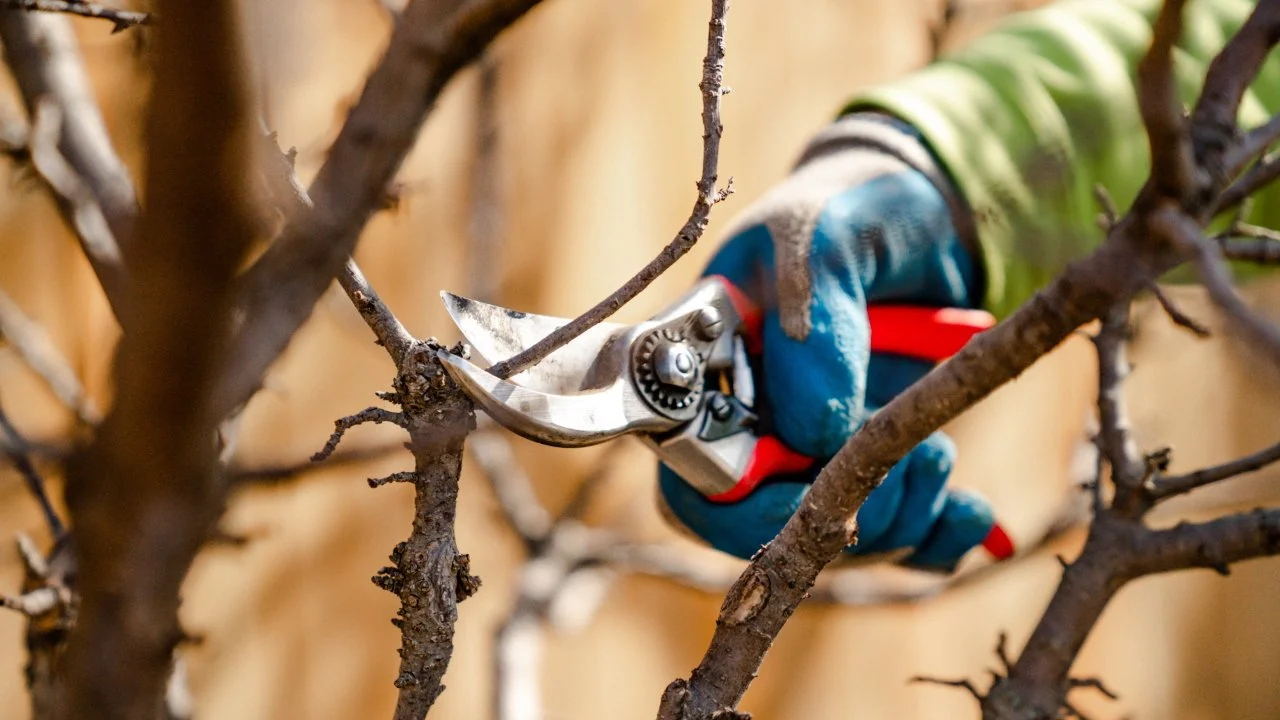
Dormant Pruning Fruit trees
Dead, broken or dangerous branches can often be removed whenever they are identified. Flowering and fruit trees may require different timing, while mature conifers usually benefit from a more conservative approach.
Why are you pruning the tree?
Good pruning begins with a clear objective. Before making a cut, we ask what problem the work is supposed to solve.
Common objectives include:
Removing dead, broken or damaged branches
Improving clearance over a roof, driveway or walkway
Reducing weight on an overextended limb
Correcting structural problems in a young tree
Improving sightlines or opening a view
Managing branches growing toward a building
Restoring a tree damaged by snow, wind or previous pruning
The objective matters because pruning for safety is different from pruning for appearance. A tree should not simply be “trimmed back” without understanding how it will respond.
When should dead or hazardous branches be removed?
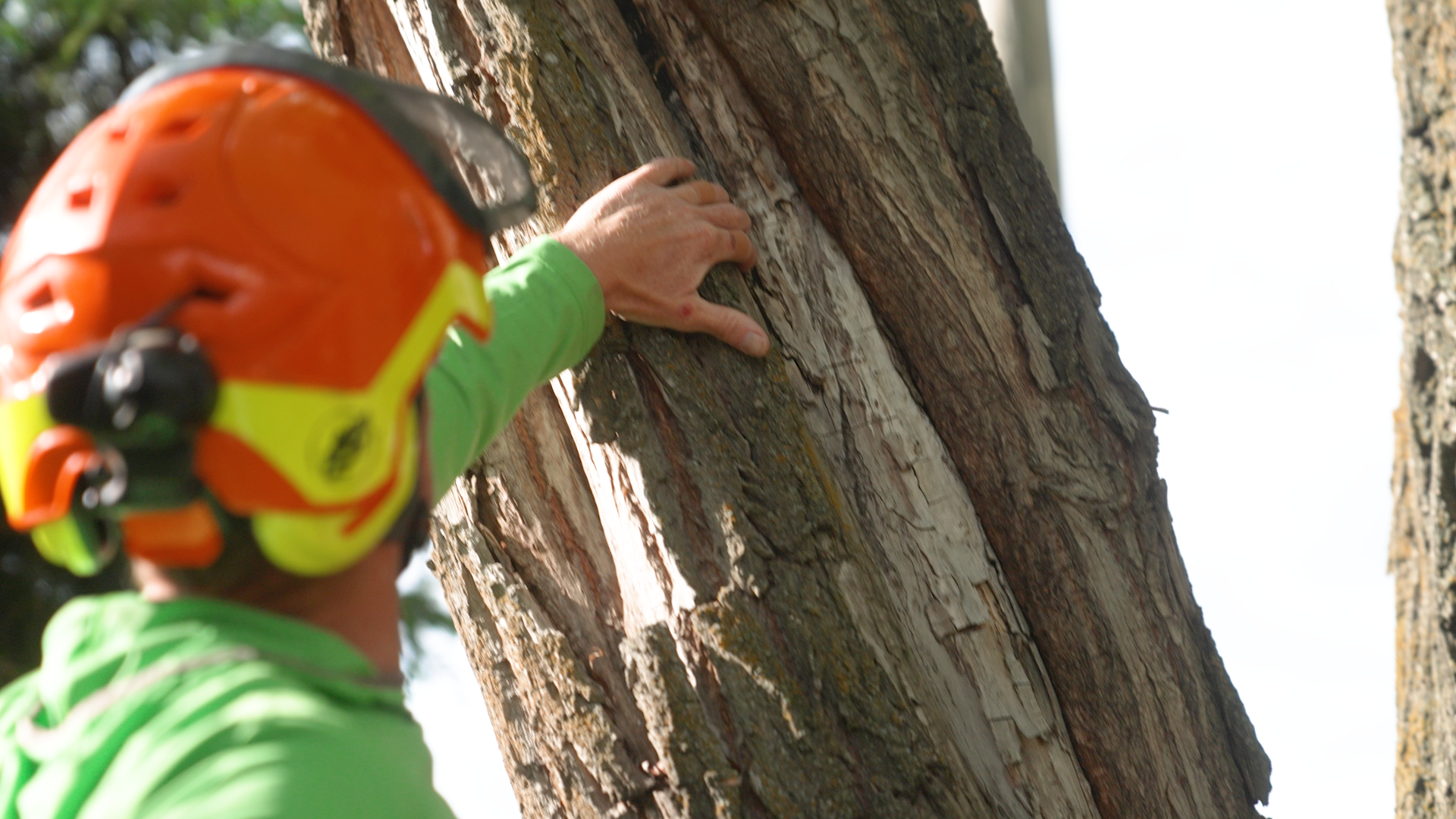
Tree risk assessment to identify hazards
Dead, cracked or hanging branches should be assessed when they are noticed, particularly when they could strike a home, driveway, road, play area or another frequently used space.
The same applies after a strong windstorm or heavy snowfall. Broken branches and newly formed cracks can change the risk presented by a tree very quickly.
Waiting for the ideal season makes little sense if a branch presents an immediate hazard. A qualified arborist can determine whether work is urgent, should be scheduled soon or can simply be monitored.
Is fall a good time to prune trees?
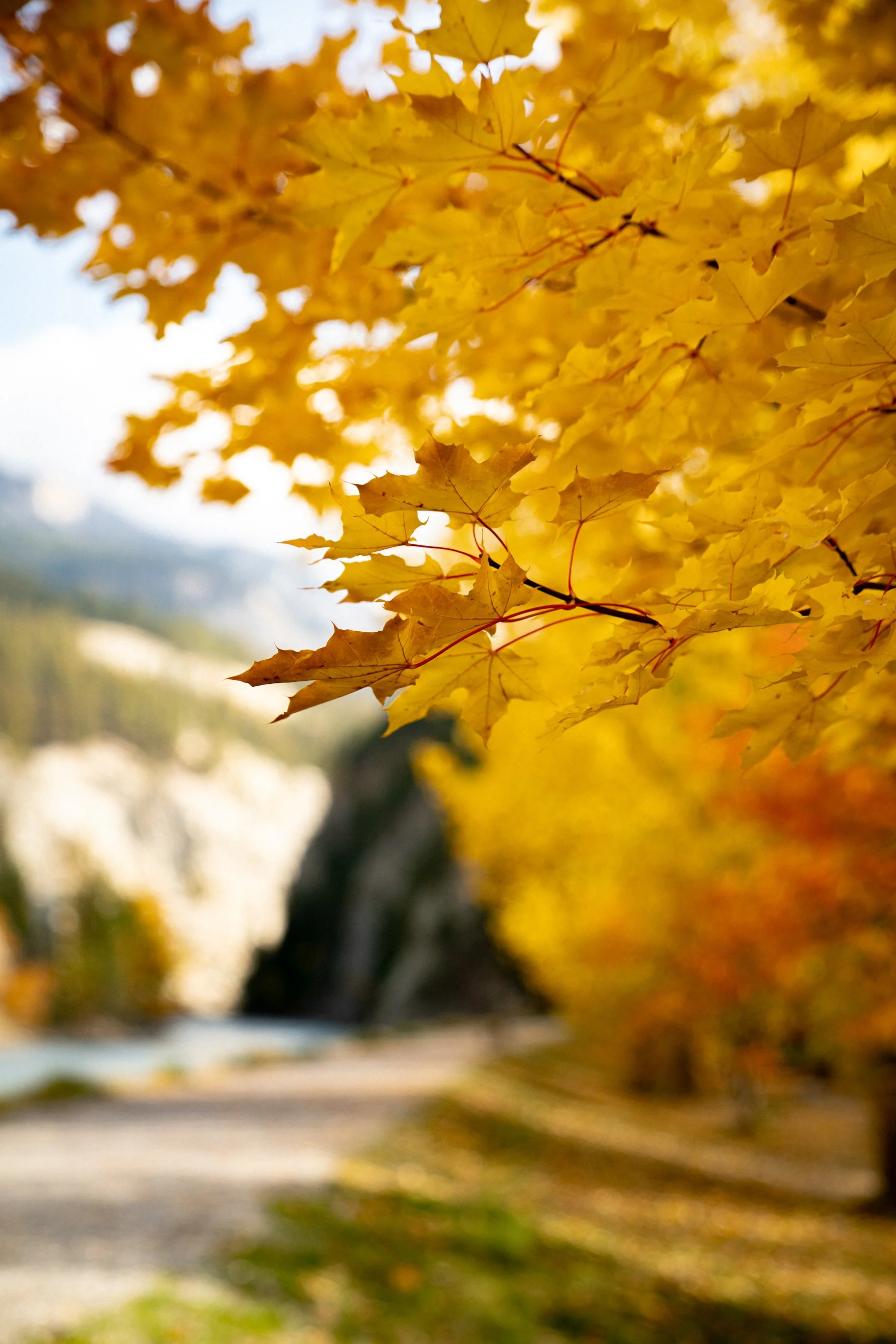
maple trees displaying fall colors in Golden BC
Fall is an excellent time to inspect trees and plan upcoming work.
Once leaves begin to drop, changes in the canopy become easier to see. Dead branches, weak attachments and structural imbalances may become more obvious. It is also a good time to assess how branches have grown around roofs, driveways and utility areas during the summer.
That does not mean every tree should receive heavy pruning immediately. The amount of live growth being removed, the species and the tree’s overall condition still matter.
In many cases, a fall assessment allows the work to be properly defined and scheduled for the most appropriate pruning window.
What about pruning trees in winter?
Winter is often well suited to structural pruning of deciduous trees across the Columbia Valley and East Kootenays.
With the leaves gone, an arborist has a clear view of the trunk and branch structure. Dormant pruning can be particularly useful for:
Correcting structure in young trees
Removing crossing or rubbing branches
Improving branch spacing
Addressing weak attachments
Selectively reducing overextended limbs
Winter access and conditions must still be considered. Deep snow, extreme cold and limited property access can affect when and how the work is completed.
Can trees be pruned during spring or summer?
Yes. Trees can be—and regularly are—pruned during the growing season when the species, conditions and pruning objective make it appropriate.
Summer pruning can be useful when we need to see the canopy fully leafed out. It may help when evaluating:
Branches hanging over buildings or outdoor areas
Clearance above roads and driveways
The amount of shade being created
Sightlines and views
Dead limbs that are easier to distinguish from live growth
Spring and summer are also active nesting periods for many birds. Trees should be inspected for active nests before work proceeds, and pruning may need to be modified or postponed when wildlife could be disturbed.
We may also recommend delaying non-urgent pruning when a tree is under significant stress from drought, heat, construction damage, insects or disease.
Do conifers need regular pruning?
Mature Douglas-fir, spruce and pine trees generally do not need to be routinely “trimmed” in the same way as a hedge or ornamental shrub.
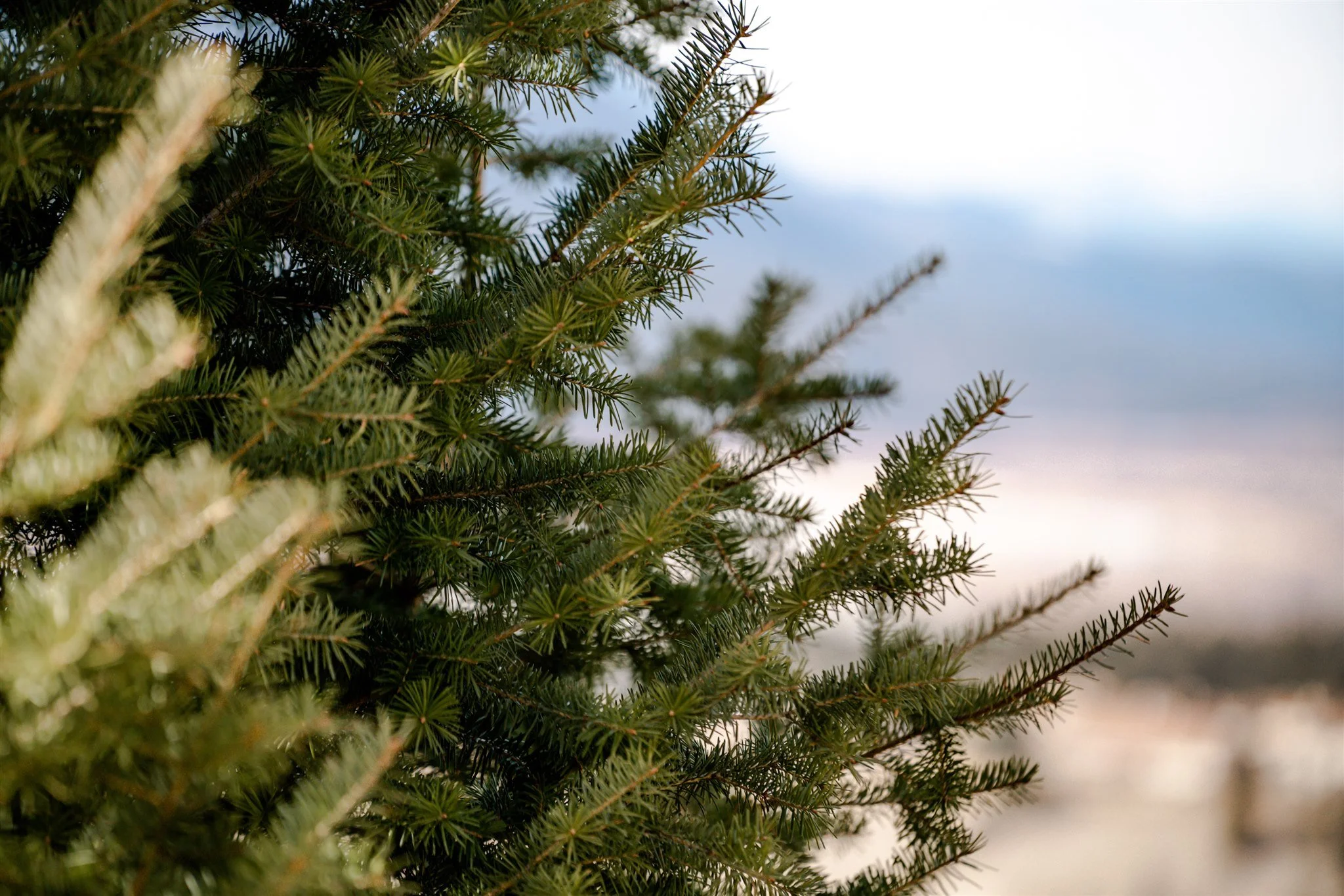
Pruning Conifers in the Columbia Valley
Pruning may still be appropriate to:
Remove dead or broken branches
Improve clearance
Address a specific structural concern
Reduce conflicts with buildings
Remove branches affected by damage or disease
Support wildfire-risk-reduction objectives
Excessive removal of live branches can permanently alter a conifer’s appearance and reduce the living canopy the tree relies on. Raising the canopy too aggressively can also concentrate more wind force higher in the tree.
With mature conifers, more pruning is not automatically better.
Should a tree be topped to control its height?
In most situations, no.
Topping removes large branches without regard for the tree’s natural structure. It can create large wounds and trigger dense, fast-growing shoots that are often more weakly attached than the original branches.
The tree may become shorter temporarily, but the underlying concern is rarely solved well. In some cases, topping makes future maintenance more difficult and expensive.
Where height, clearance or risk is a concern, an arborist may recommend selective reduction pruning, ongoing management, cabling or bracing, monitoring, or removal. The correct recommendation depends on the individual tree.
How much can be safely removed?
There is no safe percentage that applies to every tree.
A young, vigorous tree may tolerate corrective pruning differently than an old Douglas-fir growing on a dry site. Tree species, age, health, previous pruning and environmental stress must all be considered.
Our objective is generally to remove the least amount of live tissue required to accomplish the goal. Mature trees often respond better to selective, targeted pruning than to a dramatic one-time reduction.
If a tree has been neglected for many years, the best solution may be a phased pruning plan completed over several seasons.
How Green Leaf approaches a pruning recommendation
Before recommending work, we assess:
The tree: Species, size, age, health and structure.
The concern: Safety, clearance, appearance, views or long-term health.
The surroundings: Homes, driveways, roads, utility lines and neighbouring properties.
The timing: Season, weather, wildlife and the tree’s current stress level.
The outcome: What pruning can realistically achieve without unnecessarily damaging the tree.
Sometimes the right recommendation is to prune immediately. Sometimes it is better to wait. And sometimes a tree does not need pruning at all.
Professional tree care is not about making as many cuts as possible. It is about making the right cuts, for the right reason, at the right time.
Not sure whether your tree should be pruned?
Green Leaf Tree Services provides professional tree assessments and pruning throughout Golden, Invermere, Radium, Windermere, Kimberley, Cranbrook and the surrounding Columbia Valley and East Kootenay communities.
Our arborists can help determine what work is actually needed, what can wait and the best time to complete it.
Request a tree assessment or pruning quote today.
Golden: 250-344-0188
Invermere and the Columbia Valley: 250-341-7029
Kimberley, Cranbrook and the East Kootenays: 250-420-0822
Ask an Arborist is an ongoing Green Leaf Tree Services series answering the real questions property owners ask about tree health, safety and professional tree care.


