
Certified Tree Falling in British Columbia
/When a tree needs to be removed in British Columbia, the decision carries more weight than most homeowners realize.
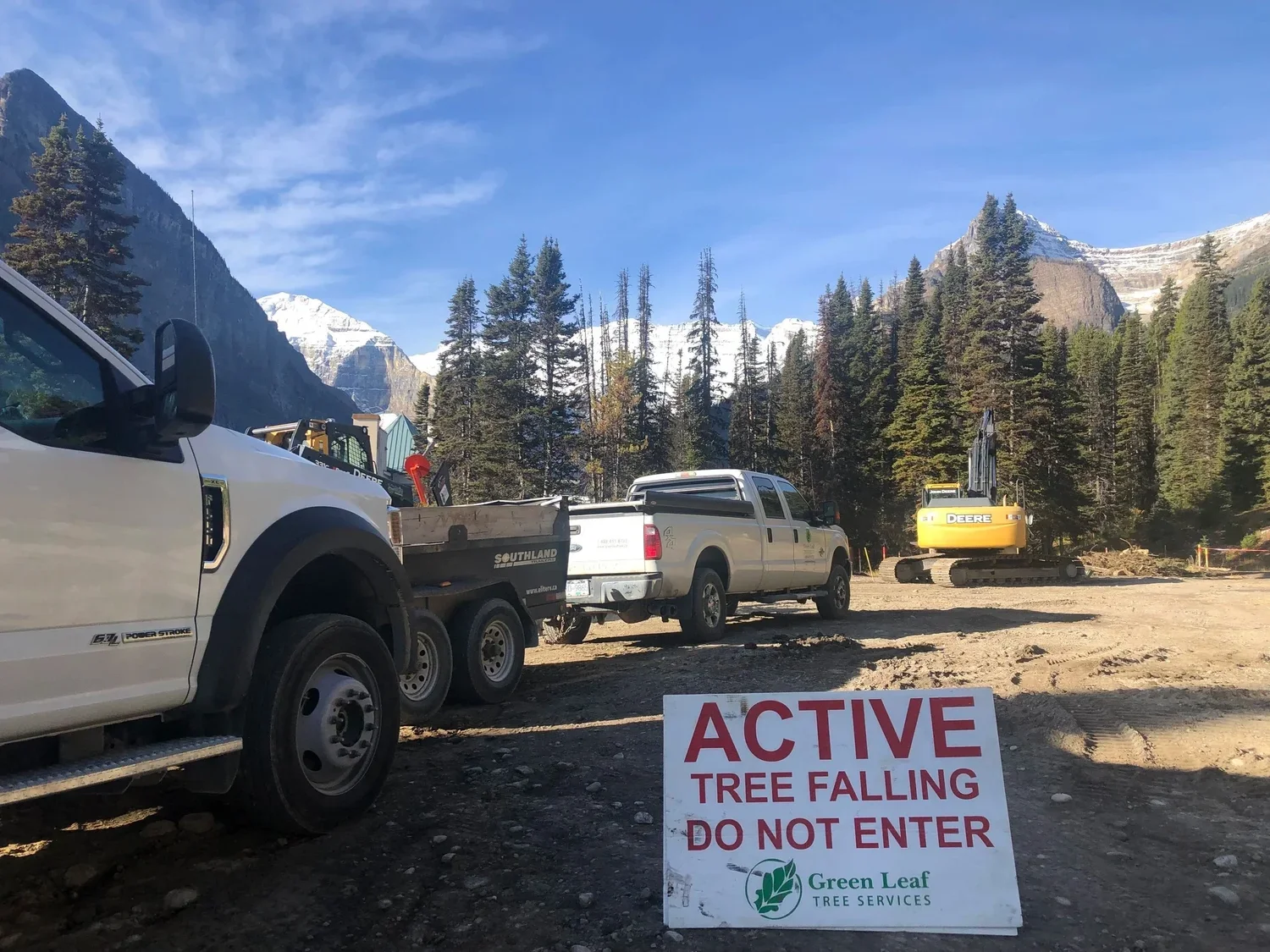
Safe Worksites demand skill and expertise
Whether it’s a storm-damaged spruce in Golden, a leaning pine in Invermere, or wildfire risk mitigation in Cranbrook or Kimberley, tree falling is one of the most hazardous and technically demanding trades in the province.
Yet within residential tree services, professional standards can vary widely.
Understanding the difference between a certified tree faller and an untrained operator is essential for protecting your home, your liability, and the people doing the work.
Tree Falling in BC Is a High-Risk Trade
British Columbia’s forests produce large-diameter timber, heavy tops, complex lean patterns, and variable internal decay. Add mountain wind exposure, snow load stress, and tight residential spaces — and falling a tree becomes highly technical.
The risks include:
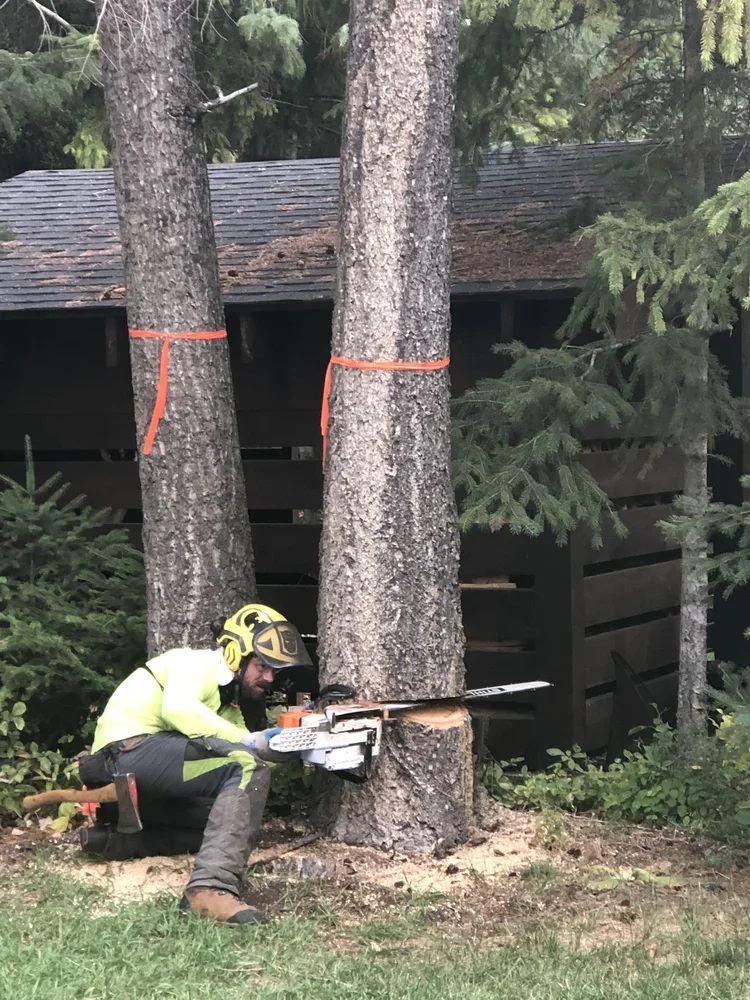
Formal training matched with certification
Barber chair failures (explosive vertical trunk splitting)
Incorrect hinge wood resulting in loss of directional control
Hidden rot or compromised structural integrity
Back lean or side lean miscalculations
Property impact due to poor drop zone planning
Severe injury or fatality
Trees respond to physics, not optimism.
When mistakes happen, they happen fast — and often with permanent consequences.
What Is a Certified Tree Faller in British Columbia?
In BC, a Certified Tree Faller has undergone formal training in:
Directional falling techniques
Face cuts and back cuts
Hinge wood mechanics
Tree lean and load assessment
Hazard recognition
Escape route planning
Chainsaw safety and risk management
In regulated forestry environments, falling standards are strict and competency-based.
However, in residential settings across the province, there is no mandatory universal licensing system. This means experience levels, training backgrounds, and safety practices can vary significantly from one provider to another.
For homeowners searching “Certified Tree Faller BC” or “Tree Falling Columbia Valley,” this distinction matters.
Certification represents formalized skill — not just years of informal experience.
Why Professional Standards Can Vary in Residential Tree Services
Residential tree work sits in a space where expectations, equipment, and training are not always consistent across providers.
Some companies invest heavily in:
Formal falling certification
Ongoing safety training
WorkSafeBC compliance
Professional-grade equipment
Structured job hazard assessments
Others operate with minimal oversight.
From the curb, it can be difficult to tell the difference.
But the cost difference between quotes often reflects differences in:
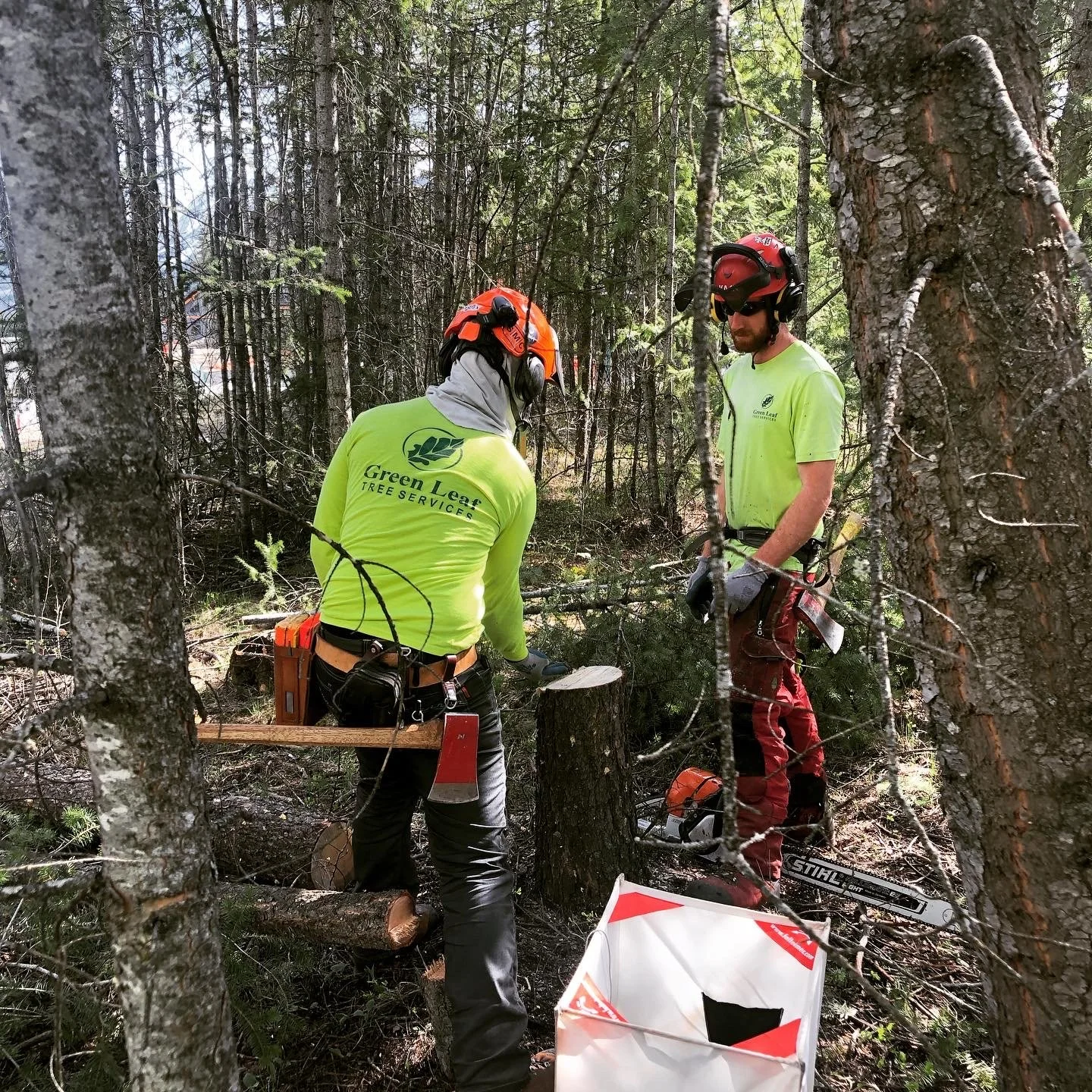
Properly trained and certified fallers
Training investment
Insurance coverage
Equipment quality
Crew competency
Safety systems
Tree removal is not commodity labor. It is controlled risk management.
The Origin of Green Leaf Tree Services
Green Leaf Tree Services was founded with a clear purpose: to raise professional standards in tree care throughout the Columbia Valley and East Kootenays.
Owner Scott Kells began apprenticing toward arboriculture certification immediately after high school. Recognizing the need for deeper forestry knowledge, he later pursued post-secondary education to become a Forest Technician.
Through combining formal education, field experience, and advanced falling training, Scott became a BC Certified Tree Faller.
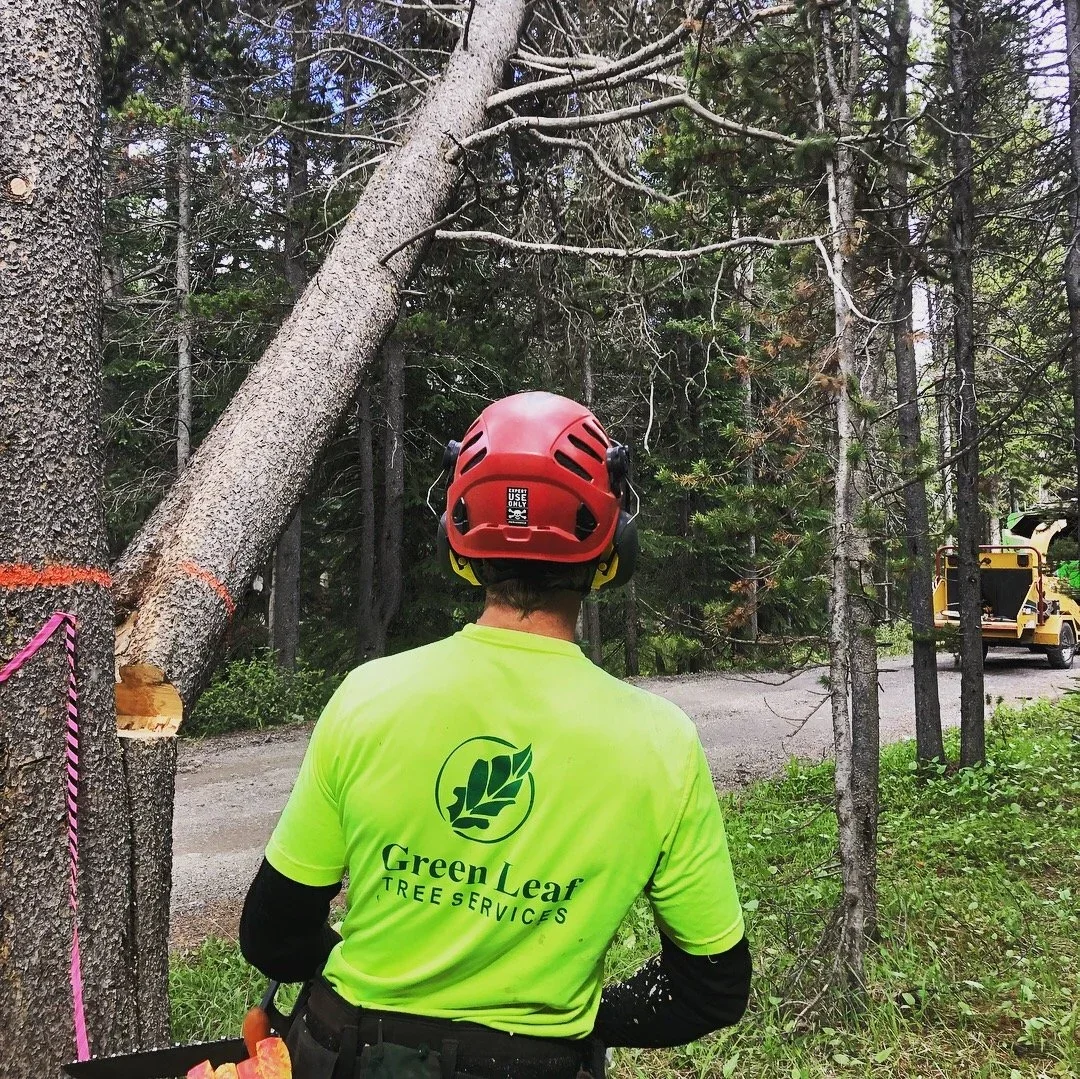
What became evident early in his career was that many homeowners were unknowingly hiring based solely on price — without understanding the training gap between operators.
Green Leaf was built around:
The right people
The right equipment
Formal training
Safety-first systems
Accountability to clients and crew
The goal was not simply to remove trees, but to deliver tree services at a professional standard consistent with BC’s forestry expertise.
What a Certified Faller Assesses Before Making a Cut
Before a tree is ever cut, a trained professional evaluates:
Species characteristics
Lean direction and crown weight distribution
Internal decay or structural compromise
Wind exposure
Slope and ground conditions
Nearby structures and obstacles
Alternate removal methods (sectional dismantling, rigging systems, mechanical assistance)
In many residential environments, especially in Golden, Invermere, and Kimberley, full free-falling is not even the appropriate method. Controlled dismantling may be required.
That judgment comes from training and experience — not guesswork.
Liability and Insurance Considerations
Homeowners often overlook liability exposure when hiring for tree falling in BC.
Before hiring, you should confirm:
Active liability insurance
WorkSafeBC coverage
Formal falling training background
If an uninsured worker is injured on your property, or if property damage extends beyond what insurance covers, the legal and financial implications can become serious.
Professional operators carry insurance and operate within WorkSafeBC guidelines to protect both the homeowner and their crew.
Why This Matters in the Columbia Valley & East Kootenays
The Columbia Valley and East Kootenays present unique challenges:
Mature conifer stands
Dense residential forest interfaces
Wildfire mitigation requirements
Storm and snow load damage
Limited drop zones near structures
Tree falling in this region demands a higher level of situational awareness and planning.
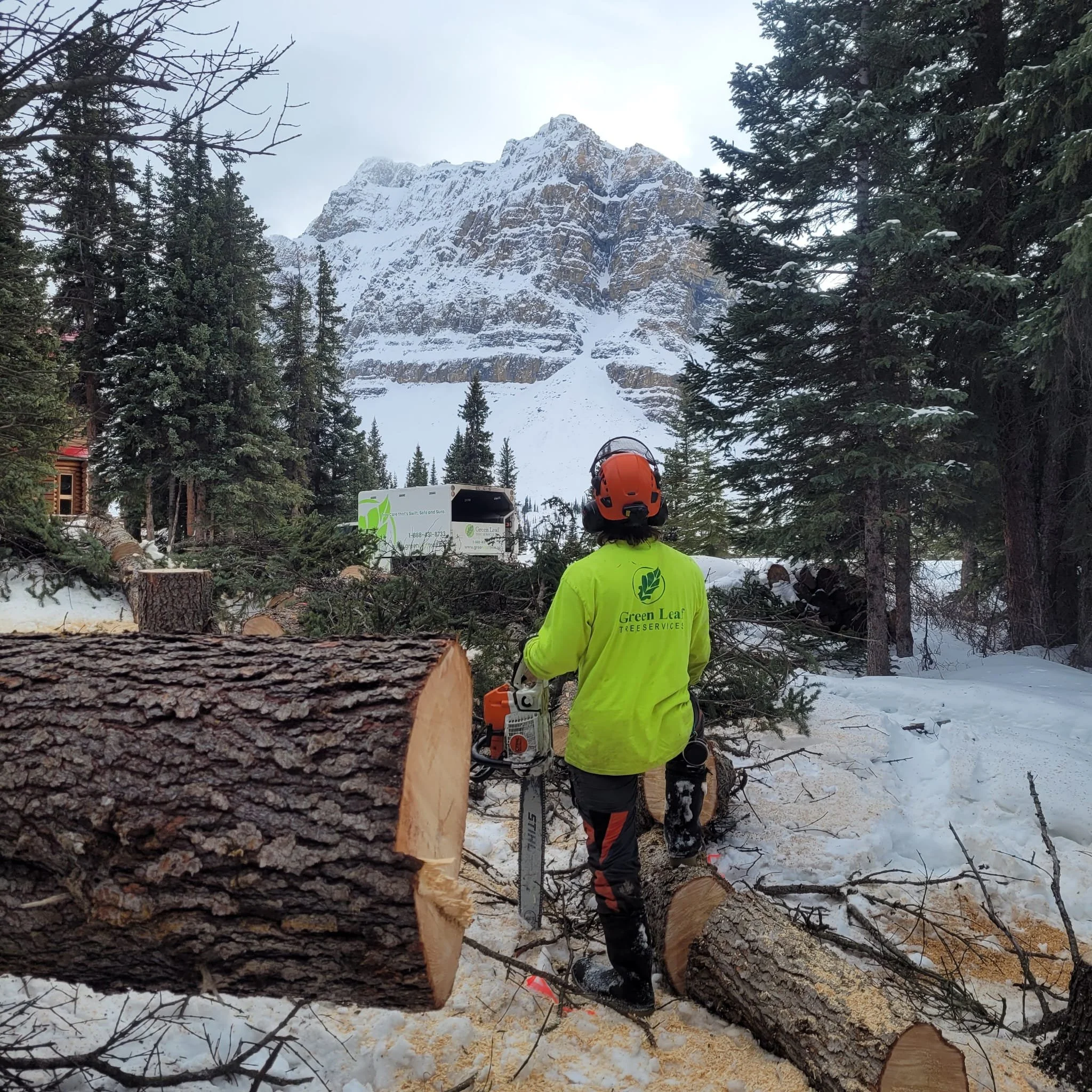
high consequenses demand a high level of competancy
It is not an area to prioritize the lowest quote without understanding what that quote represents.
Questions to Ask Before Hiring a Tree Faller in BC
If you are comparing estimates, ask:
Are you a certified tree faller?
What formal training have you completed?
Do you carry liability insurance?
Are you covered by WorkSafeBC?
What is your plan for this specific tree?
A trained professional will clearly explain the hazards, strategy, and risk controls before work begins.
The Bottom Line
Hiring a Certified Tree Faller in British Columbia is not about paying more.
It is about:
Protecting your home
Protecting your family
Protecting your neighbors
Protecting the workers on your property
Tree falling is one of the most dangerous skilled trades in the province.
When a tree needs to come down in Golden, Invermere, Cranbrook, or Kimberley, ensure the person holding the saw has earned the responsibility.
Professional standards matter.
And when gravity is involved, experience backed by certification makes all the difference.


